Diagnosis
Dog Urine Spots: Why the Ring Is Greener Than the Middle
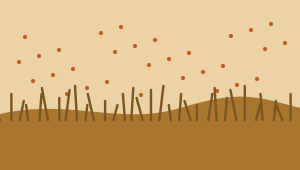
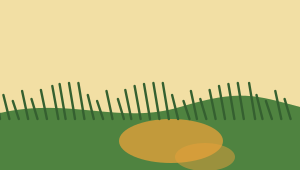
It is a concentration problem, not an acidity one. The nitrogen that burns the center fertilizes the edge, which is why the ring outgrows the rest of your lawn.
·3 min read
36 guides
Newest first. If you know what went wrong, browse by topic; if you know where you live, browse by zone.
Every published guide, newest first. Search engines tend to send you here after a symptom — brown spots, thin grass, a mower that will not start — so the fastest path is usually the topic hubs instead: the diagnosis hub starts from what the grass looks like, seasonal timing starts from what month it is, and weeds & pests covers identification and pet safety.
Know where you live? The cool-season, transition and warm-season zone pages collect the guides that apply to your calendar, because the same job can be three different months — or a waste of money — depending on which side of the country you are on.
It is a concentration problem, not an acidity one. The nitrogen that burns the center fertilizes the edge, which is why the ring outgrows the rest of your lawn.
·3 min read
Almost always no. Mushrooms are fungi digesting buried wood and old roots, a sign of active soil. The exceptions are fairy rings and homes with pets or toddlers.
·3 min read
Concrete radiates heat and dries the soil beside it faster than anywhere else. Add winter salt and foot traffic and lawn edges take three hits the middle never does.
·3 min read
Moss does not kill grass. It moves into space the grass already lost. Kill it without fixing shade, compaction or drainage and it grows back by autumn.
·3 min read
On cool-season grass it is the most valuable feeding of the year. On warm-season grass it causes winter kill. Same bag, opposite outcomes, and the zone decides.
·3 min read
Wait until the new grass is a third taller than your cutting height, usually two to four weeks. Mowing sooner pulls unrooted seedlings straight out of the soil.
·4 min read
Measure first. Under half an inch of thatch needs nothing. Over that, dethatch during active growth: early autumn for fescue, late spring for bermuda.
·4 min read
Preventive treatments go down in late spring before eggs hatch. Curative ones work on young grubs in late summer. Applied off-window, both fail whatever the brand.
·3 min read
About an inch a week in one or two deep soakings, not a daily sprinkle. Frequent shallow watering is what builds a lawn that cannot survive a hot week.
·3 min read
Mow when the grass is a third taller than your target height and the ground is firm. Go slightly low once to clear winter debris, then raise the deck for the year.
·3 min read
Fine fescue in the North and zoysia in the South cut mowing to a fraction. Both trade speed for patience, and fine fescue can go nearly unmowed entirely.
·4 min read
Keep mowing while the grass grows, usually until soil drops below 50°F. Stopping in October because the calendar says autumn leaves the lawn too long for winter.
·4 min read
The calendar tells you first: green in winter means cool-season, green in summer means warm-season. Then blade texture and growth habit identify the exact grass.
·5 min read
Roll the stem between your fingers. Sedges are triangular, grasses are round. That one check explains why your broadleaf weed killer did nothing to it.
·3 min read
Young crabgrass dies easily and tillered crabgrass barely notices. Size decides which product works, and mowing height decides whether it comes back next year.
·3 min read
Sand drains fast and holds few nutrients, so the grass that thrives there is the one with deep roots and low appetite: bermuda, bahia, or zoysia in the South, tall fescue in the North.
·5 min read
Yes. White clover is not toxic to dogs and walking on it is fine. The two real concerns are bees in the flowers and a lookalike plant people also call clover.
·3 min read
Wear and urine are two separate problems. Bermudagrass and Kentucky bluegrass recover fastest, and no grass resists urine burn. The pick for every zone and yard.
·5 min read
Dry is the minimum, not the standard. Most labels clear pets once spray has dried or granules are watered in and dry, and 24 hours costs you nothing.
·4 min read
Spongy turf is thatch, grubs, or waterlogged soil, and the three need opposite treatments. One cut with a spade tells you which one you have.
·3 min read
St. Augustine is the fast, cheap, shade-forgiving default for Florida lawns. Zoysia is the finer, denser upgrade that costs more and drinks more. How to choose.
·4 min read
Fertilizer burn is a salt problem, not a poison problem. Water heavily now, then read the pattern on the lawn to work out which mistake caused it.
·4 min read
Tall fescue survives transition-zone summers on deep roots; bluegrass spreads and self-repairs but needs irrigation. Which one fits your yard, and why blends exist.
·4 min read
Both turn grass brown in patches. One lifts away like carpet and keeps spreading, the other springs back within days of watering. Two tests separate them.
·3 min read
Nine times out of ten it is soil temperature or a surface that dried out once. Here is how to tell which, and how long to wait before calling the seeding a failure.
·4 min read
Fine fescues are the only reliable seed for real shade. Kentucky bluegrass thins under trees no matter what the bag promises. Here is what to buy by light level.
·5 min read
If the brown appeared right after you mowed, the mower is the first suspect. Here is how to separate dull blades and scalping from disease and grub damage.
·4 min read
Both handle Georgia heat, but they treat clay differently. Bermudagrass recovers fast and forgives neglect; zoysia builds a denser, drought-tough lawn once it roots.
·5 min read
Patchy yellowing means a localized cause: dog urine, grubs, fungus or spilled fertilizer. Even yellowing means nitrogen or iron. Here is how to tell them apart.
·4 min read
Early autumn, August into September, while the grass grows hard enough to heal. Spring aeration works but cancels your crabgrass control for the year.
·3 min read
Wait until the lawn is about half green and the last frost has passed, usually mid-April to May. Feeding dormant bermuda grows weeds and risks frost damage.
·3 min read
Count back 45 days from your average first hard frost. Past that, seed rarely roots deep enough to survive winter, but dormant seeding is a real second option.
·4 min read
Two to three light waterings a day until germination, then fewer and deeper. The target is a damp top half-inch that never dries out and never turns to soup.
·4 min read
Crabgrass germinates when soil hits 55°F for three days running. Apply just before that. Here is when it happens in each zone and the mistake that wastes the bag.
·4 min read
Late August to mid-September is the window. Here is the soil temperature that opens it, the frost date that closes it, and why spring seeding is the weaker option.
·4 min read
Two different jobs share this name. Ryegrass goes down in early fall, bermuda seed in late spring. Here is the soil temperature that opens each window.
·4 min read